
On 7 April, when Washington and Tehran announced a ceasefire in their two-week war, oil traders exhaled. Brent crude dropped. Diplomats shook hands. The headline narrative wrote itself: conflict over, supply chains healing, prices normalising.
Three weeks later, none of that has happened. Brent crude surged past $118 a barrel on 29 April, its eighth consecutive day of gains, after Donald Trump announced he would maintain the U.S. naval blockade against Iran until Tehran agrees to a nuclear deal. The international benchmark is now more than 40% higher than it was before the first U.S.-Israeli strikes on Iran in late February, and, remarkably, it sits well above the level it traded at on the day the ceasefire was signed.
The guns have mostly fallen silent. The oil market has not.
The Strait That Won’t Open
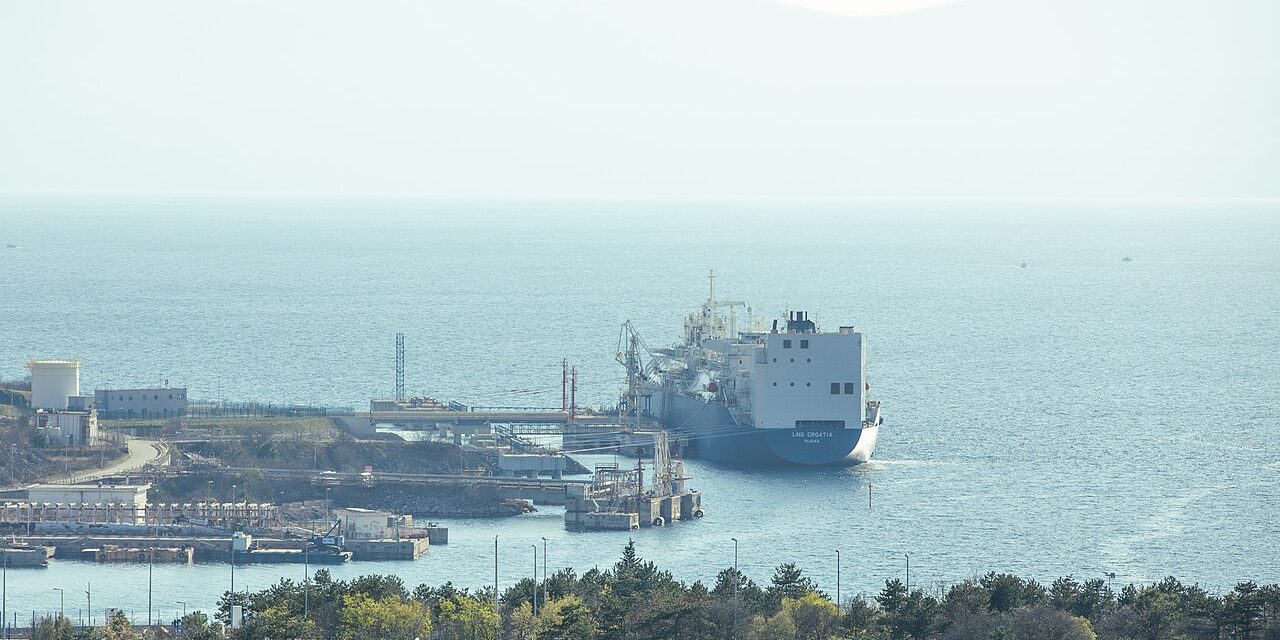
The reason is straightforward: the Strait of Hormuz, through which roughly 20% of the world’s oil and a significant share of its liquefied natural gas pass, remains functionally closed. Iran’s threats against commercial shipping have not ended with the ceasefire. They have, if anything, become the central leverage point in negotiations.
The numbers tell the story. Before the war, an average of 129 vessels transited the strait each day, according to the United Nations Conference on Trade and Development. On 26 April, three weeks into the supposed truce, just 19 commercial vessels made the crossing, according to maritime intelligence platform Windward. That is not a recovery. It is a chokehold.
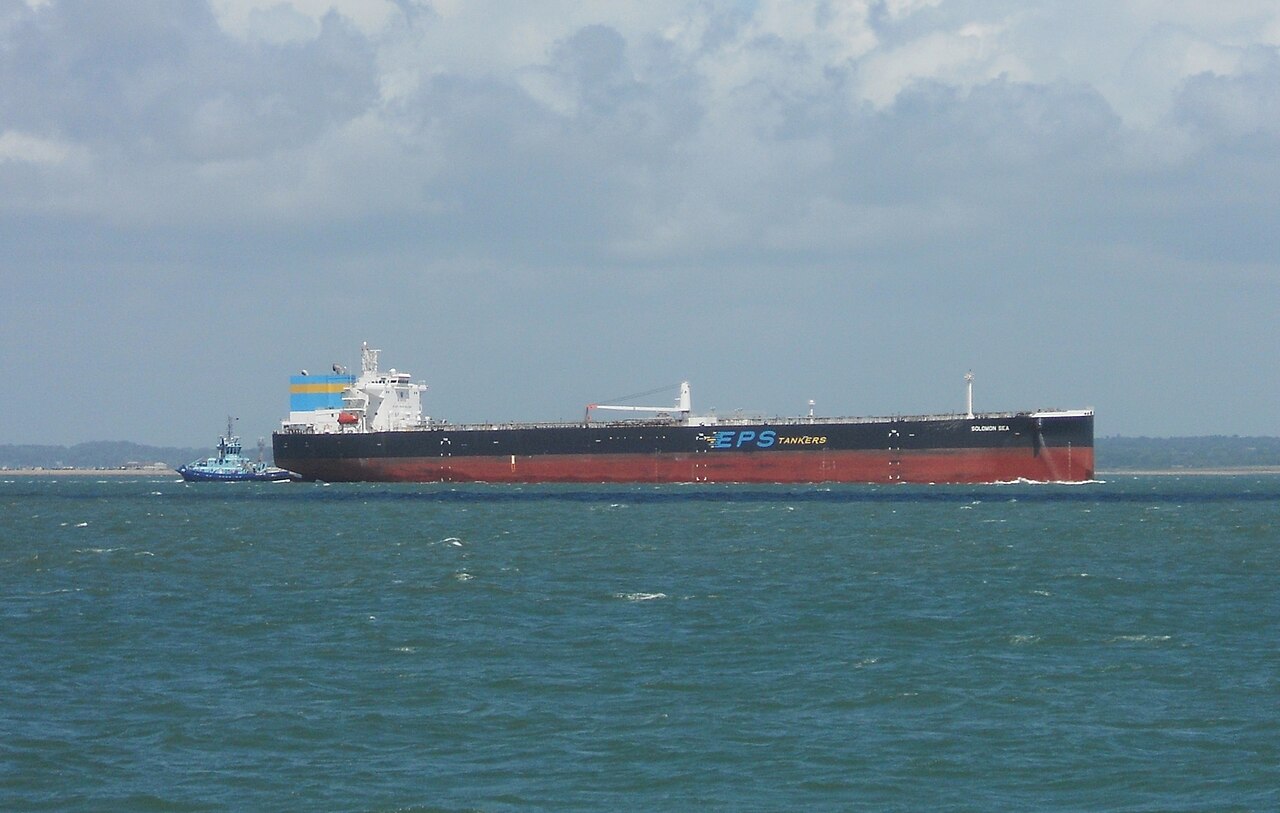
What began as an Iranian closure of the strait has hardened into a dual blockade. On 13 April, six days into the ceasefire, the U.S. began blockading Iranian ports. On 19 April, U.S. Marines and the destroyer USS Spruance seized the Iranian-flagged cargo vessel Touska in the Gulf of Oman, the first such interception of the conflict. Three days later, Iran responded by seizing two commercial ships, the Panama-flagged MSC Francesca and the Liberia-flagged Epaminondas. Videos of Iranian commandos boarding a cargo vessel circulated widely. Tehran has said it will not consider reopening the strait until the U.S. lifts its blockade, which Iran calls a violation of the truce. Washington, for its part, shows no sign of easing it: on 29 April, Trump said the blockade would remain in place until Iran agrees to terms on its nuclear programme. Each side’s blockade reinforces the other’s, and oil shipments are caught in the middle.
The problem for oil markets is that nobody knows when, or even whether, those negotiations will produce a result.
When Diplomacy Fails, Prices Rise
The past week has been a masterclass in how geopolitical uncertainty compounds itself. Plans for a second round of U.S.-Iran negotiations in Islamabad fell apart on 26 April when Iranian Foreign Minister Abbas Araghchi left Pakistan before any direct engagement with American envoys could take place. Donald Trump cancelled the trip of his negotiators, Steve Witkoff and Jared Kushner, with a characteristic post on Truth Social: “Nobody knows who is in charge, including them.”
Araghchi proceeded to Saint Petersburg for talks with Vladimir Putin instead. The message was not subtle. Iran is not isolated, and it has alternatives to negotiating with Washington.
Markets reacted accordingly. Brent rose $2.90, or 2.8%, to settle at $108.23 on 27 April. By 28 April it had pushed past $111, and on 29 April it jumped more than 6% to $118.33 after Trump told Axios that “the blockade is somewhat more effective than the bombing” and vowed to maintain it until Iran accepts terms on its nuclear programme. Citi analysts have warned that Brent could reach $150 a barrel if oil flows remain disrupted through the end of June. Goldman Sachs, which raised its fourth-quarter Brent forecast from $80 to $90 on 26 April, cited “extreme inventory draws” from the prolonged Hormuz closure.
“The lack of progress means the market is tightening every day, requiring oil prices to reprice at higher levels,” Warren Patterson, head of commodities strategy at ING, wrote in a research note on 26 April. That is the kind of sentence that should keep European policymakers awake at night.
Europe Takes Another Hit
For the European Union, the price trajectory could not come at a worse time. Germany, the bloc’s largest economy, slashed its 2026 growth forecast from 1% to 0.5% this week. The Ifo Institute’s business climate index fell to 84.4 in April, its lowest reading since the early days of the Covid-19 pandemic. The ZEW Indicator of Economic Sentiment slumped 16 points to -17.2, a figure not seen since December 2022, when Europe was still reeling from the Russian gas cutoff.
“What we are seeing is that the German economy is hit hard by the Iran crisis,” Clemens Fuest, president of the Ifo Institute, told CNBC. “Companies are telling us there is trouble ahead.”
Germany’s energy-intensive industries, which employ nearly one million people and account for about 17% of industrial gross value added, are particularly exposed. Berlin has rolled out a 1.6 billion euro fuel tax relief package, but analysts at Goldman Sachs estimate that total fiscal measures directed at energy costs will amount to just 4 to 5 billion euros this year and next, a modest sum relative to the scale of the shock.
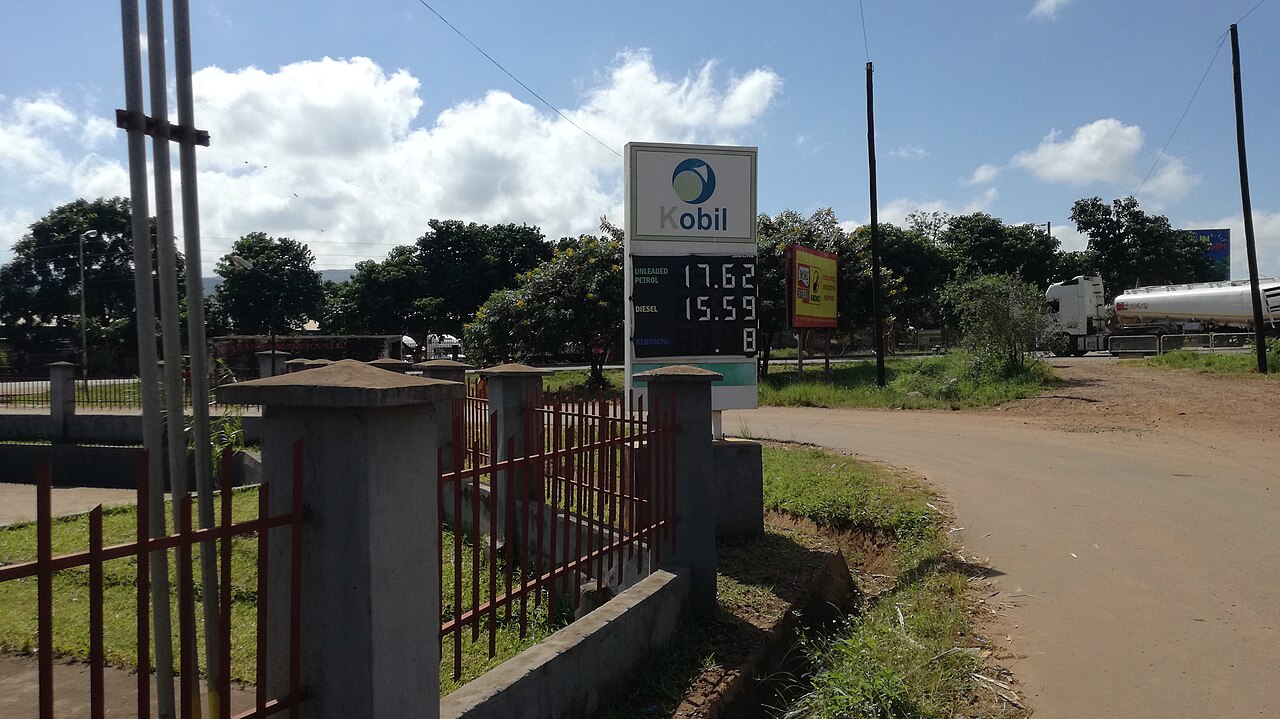
CNN reported this week that Europe has tallied at least $28 billion in costs from the energy crisis so far, with the figure rising weekly. The European Commission has acknowledged that “even if hostilities ceased immediately, disruptions to energy supplies from the Persian Gulf will persist for the foreseeable future.” Higher gasoline prices, more expensive flights, and rising food costs are already filtering through to households. We covered the knock-on effects on European aviation in our recent analysis of the jet fuel crisis, and the pressure on shipping routes through the Strait of Hormuz itself has been a recurring theme here.
Winners, Losers, and the OPEC Earthquake
Not everyone is losing. As we noted last week, European oil traders and energy companies with hedging positions are posting extraordinary profits. BP, Shell, and TotalEnergies, which we have profiled extensively in the context of EU-Iran energy relations, are beneficiaries of the price spike even as the broader European economy suffers.
But the geopolitical landscape is shifting in ways that could have lasting consequences. On 28 April, the United Arab Emirates announced it was quitting OPEC after nearly 60 years of membership, freeing itself to increase output once Persian Gulf exports resume. The departure weakens the cartel’s ability to manage supply and could accelerate a race to pump among Persian Gulf producers when the strait reopens, a scenario that would eventually push prices down but could destabilise revenues for oil-dependent economies.
Iran, meanwhile, has offered a new proposal to reopen the Strait of Hormuz while deferring nuclear talks, according to Axios. Whether Washington finds that acceptable remains unclear. Trump’s public posture has been combative, and the internal political dynamics in Tehran, with reported power struggles between moderates and hardliners, add another layer of unpredictability.
The Bottom Line
The ceasefire between the U.S. and Iran was supposed to mark the beginning of a return to normalcy in energy markets. Instead, it has become a holding pattern in which the physical disruption of oil supplies continues unabated while the diplomatic path forward grows murkier by the day.
Brent crude at $118 is not a wartime premium. It is the price of an unresolved standoff that is hardening, not thawing. And for European industry, already battered by two years of energy volatility since the Russian invasion of Ukraine, the message is brutal: the Strait of Hormuz does not need active hostilities to inflict damage. A threatened strait is almost as effective as a closed one, and a blockade that both sides are dug in on is worse than either.
The longer this limbo persists, the deeper the economic scars on Europe will be. The question is no longer whether the ceasefire will hold. It is whether anyone in Washington, Tehran, or Brussels has a plan for what comes next, because the oil market has already made its judgment, and it is not optimistic.



,_in_the_Solent,_England.jpg)
.jpg)
