An advocate for resolving conflicts by emphasizing the economic advantages of cooperation, while highlighting the losses resulting from confrontation.
The US has opened a 60-day window for Iranian oil trade under General License X, but EU sanctions remain in force, leaving TotalEnergies, Shell, and other European majors locked out while Chinese and Turkish buyers move in.
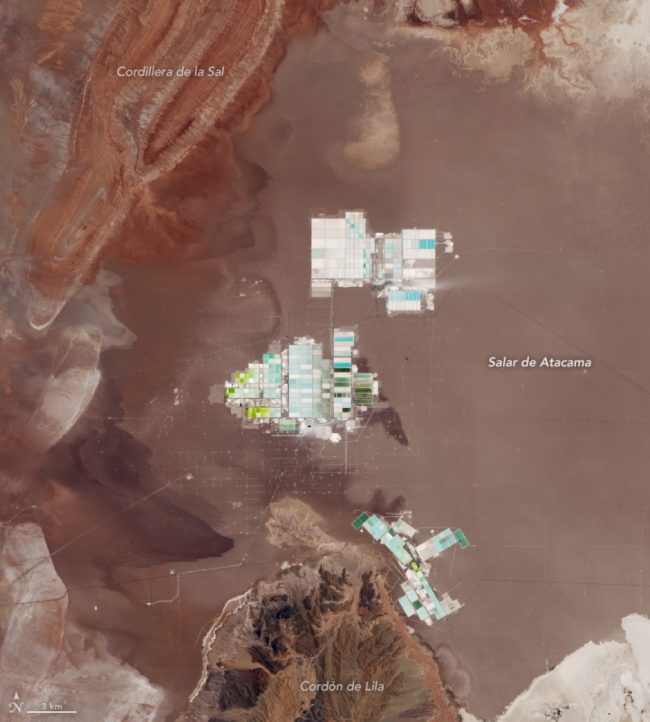
Iran holds some of the world’s largest untapped reserves of lithium, copper, and rare earth elements — the very materials Europe needs for its EV battery transition. But sanctions lock EU companies out while China and Russia absorb the supply.
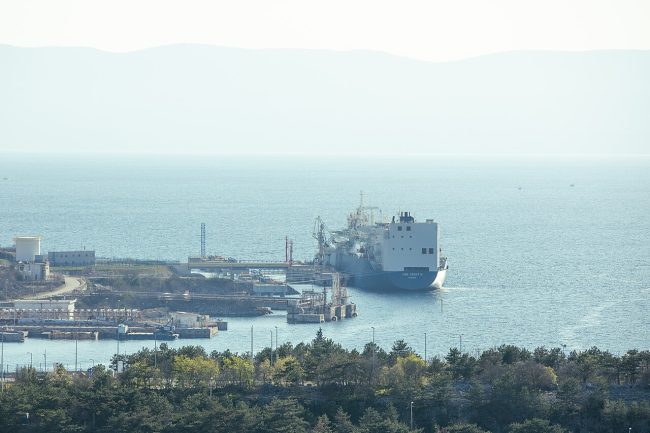
Goldman Sachs estimates global refined product stocks have fallen to 45 days of demand as the Strait of Hormuz disruption chokes jet fuel, naphtha, and LPG supplies — a shortage the world cannot easily substitute its way out of.
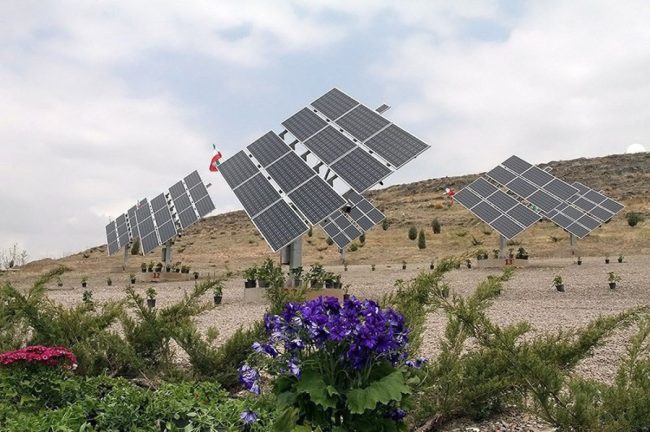
Iran is pouring billions into solar farms to fix its power crisis. Germany is spending hundreds of billions on offshore wind to end its dependence on Russian gas. Two parallel energy revolutions, driven by the same diagnosis, kept apart by sanctions.
Three weeks after the U.S.-Iran ceasefire, Brent crude has risen above $111 a barrel, surpassing its level on the day the truce was announced. With the Strait of Hormuz still effectively closed and peace talks stalled, Europe faces another energy-driven economic shock.
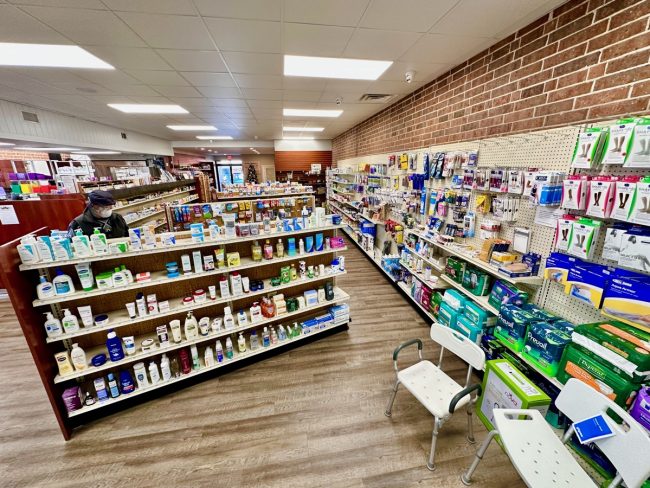
Paracetamol prices have doubled in some English pharmacies. Air freight costs for medicines have surged. The connection: a blocked Strait of Hormuz, disrupted petrochemical supplies, and a sanctions regime that has left Europe’s medicine supply chain dangerously exposed.
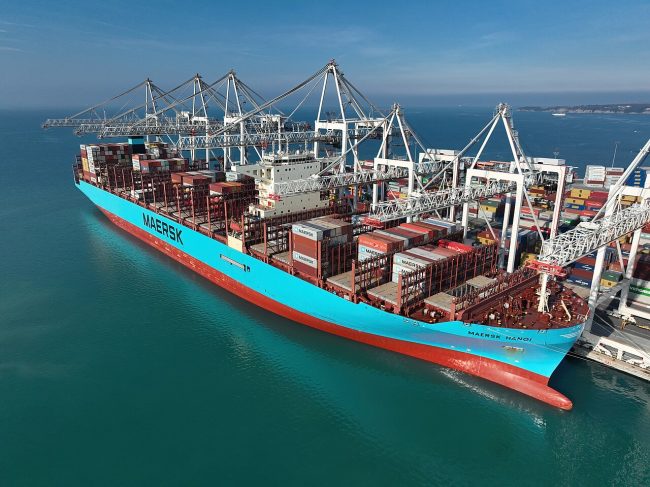
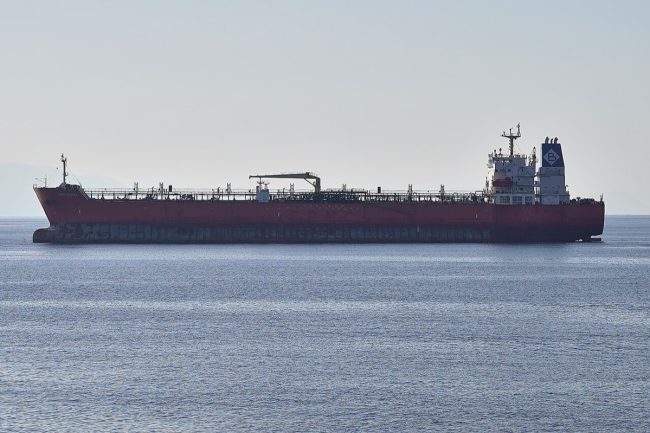
Maersk once operated fifteen monthly container ship calls at Bandar Abbas. Today, ten of its vessels are trapped in the Persian Gulf and the company is rerouting around Africa. The Strait of Hormuz crisis has turned Europe’s shipping architecture inside out.
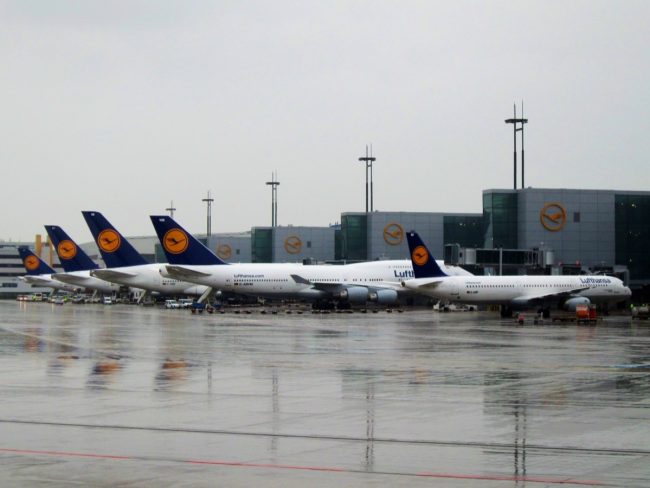
Europe has six weeks of jet fuel left. Lufthansa has cancelled 20,000 flights. KLM, SAS, and easyJet are bleeding money. The Iran war didn’t just spike oil prices — it exposed a supply chain vulnerability that two decades of refinery closures made inevitable.
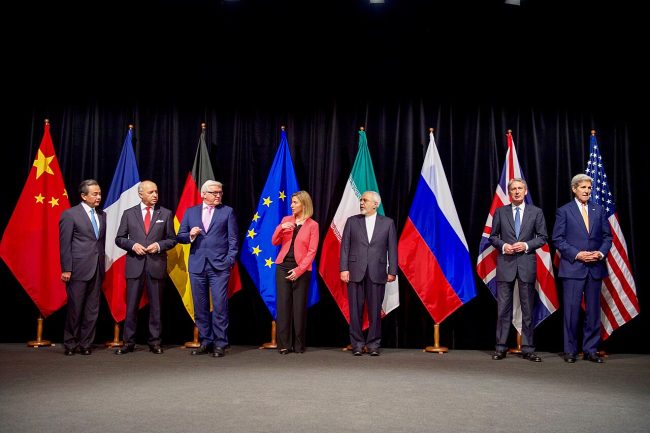
When the E3 triggered the JCPOA snapback in September 2025, Europe gambled that reimposing UN sanctions would pressure Iran. Instead, it permanently surrendered a €27 billion trade relationship to China and Russia.
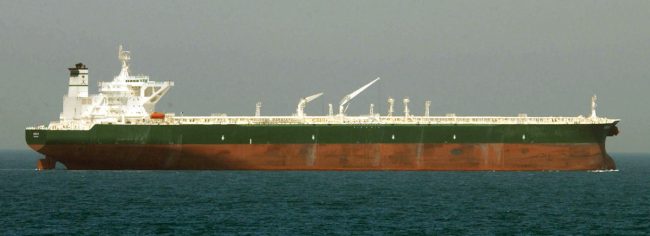
Iran’s closure of the Strait of Hormuz has removed 13 million barrels of daily oil supply from world markets, pushing Europe toward its worst energy crisis since the 1970s. The country Europe sanctioned into economic irrelevance now holds the key to the continent’s energy future.