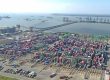
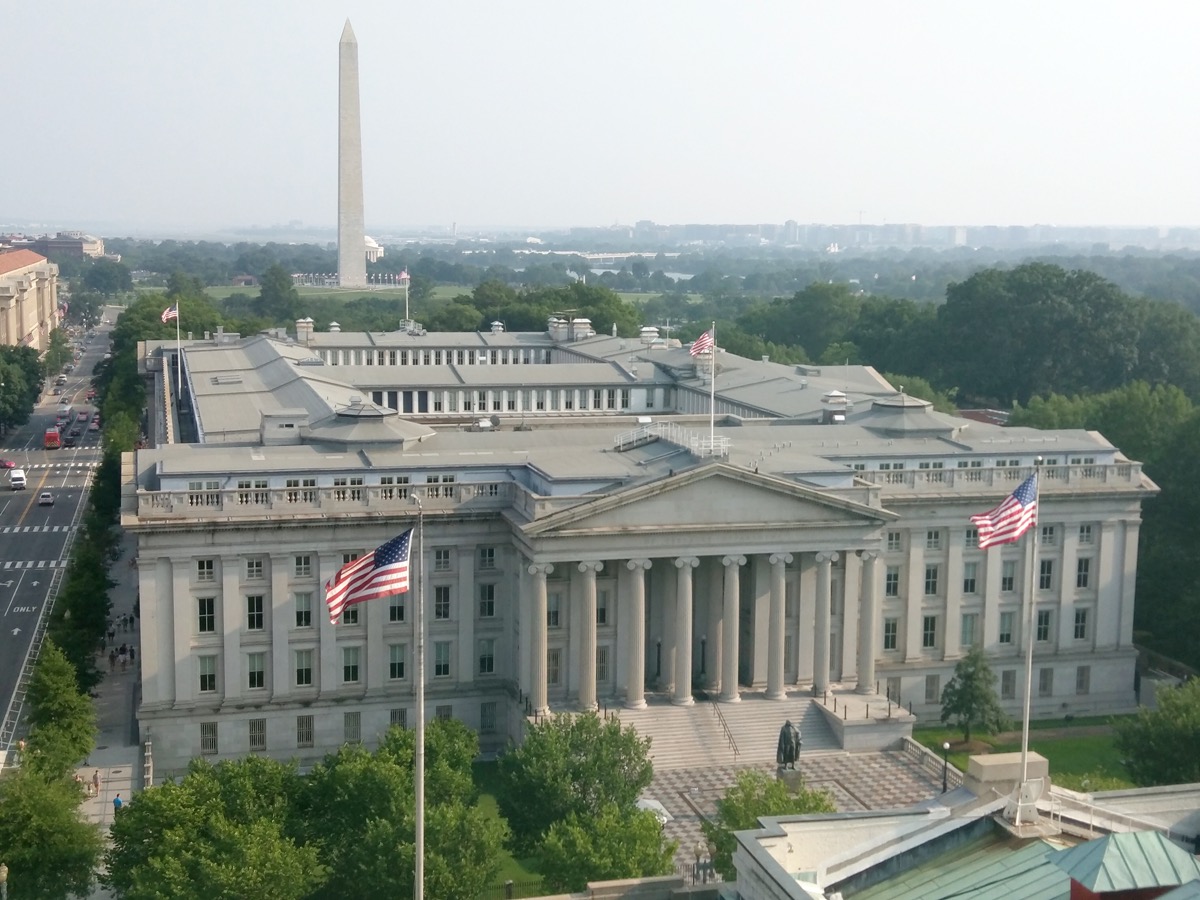
On June 22, 2026, the US Treasury’s Office of Foreign Assets Control did something it hadn’t done since the JCPOA era: it issued a general license allowing the purchase, transport, and sale of Iranian crude oil, petrochemicals, and petroleum products on the open market. General License X, as it’s called, authorises these transactions through August 21, 2026. For the first time in eight years, Iranian oil can theoretically flow to any buyer willing to deal in dollars, including importers inside the United States itself.
The backdrop matters. On June 17, the United States and Iran signed the Islamabad Memorandum of Understanding, a 14-point framework to end the 110-day war that saw the Strait of Hormuz closed, Brent crude spike past $120 a barrel, and the International Energy Agency describe the resulting supply disruption as the largest in the history of the global oil market. GL X is paragraph 10 of that MOU made real: a temporary opening of the taps while the two sides negotiate a final deal within 60 days.
But here is the problem for European energy companies. General License X lifts American sanctions on Iranian oil. It does absolutely nothing about European ones.
The EU’s sanctions are still fully in force
On September 29, 2025, the Council of the European Union reimposed the full suite of nuclear-related sanctions that had been suspended under the JCPOA. Council Regulation 2025/1975, amending the foundational Regulation 267/2012, reinstated prohibitions on the import, purchase, and transport of Iranian-origin crude oil, petroleum products, natural gas, and petrochemicals. It brought back restrictions on investment in Iran’s oil, gas, and petrochemical sectors. It reinstated asset freezes on nearly 200 entities, including major Iranian energy companies, financial institutions, and shipping operators.
These EU sanctions exist independently of whatever Washington decides to do. They are not secondary sanctions that can be waived by OFAC. They are primary European law, enforced by national authorities in every member state, and they require legislative action at the EU level to lift. There is no EU equivalent of a general license mechanism.
As the law firm Pillsbury noted in its June 24 analysis of GL X: “Any comparable easing of EU restrictions would generally require legislative action at the EU level since there is no EU general license mechanism. At present, we are not aware of any announced EU proposal that would create relief comparable to that provided under GL X.”
So while China’s Unipec and Zhuhai Zhenrong, India’s refiners, and Turkish traders can now load Iranian crude without fear of US secondary sanctions or banking prohibitions, TotalEnergies, Shell, BP, Eni, and Repsol cannot. They remain bound by EU law. A French major that purchases Iranian crude under GL X would still be violating Regulation 267/2012 as amended. The compliance departments of every European oil company have made this clear to their trading desks over the past four days.
A brief, crowded window
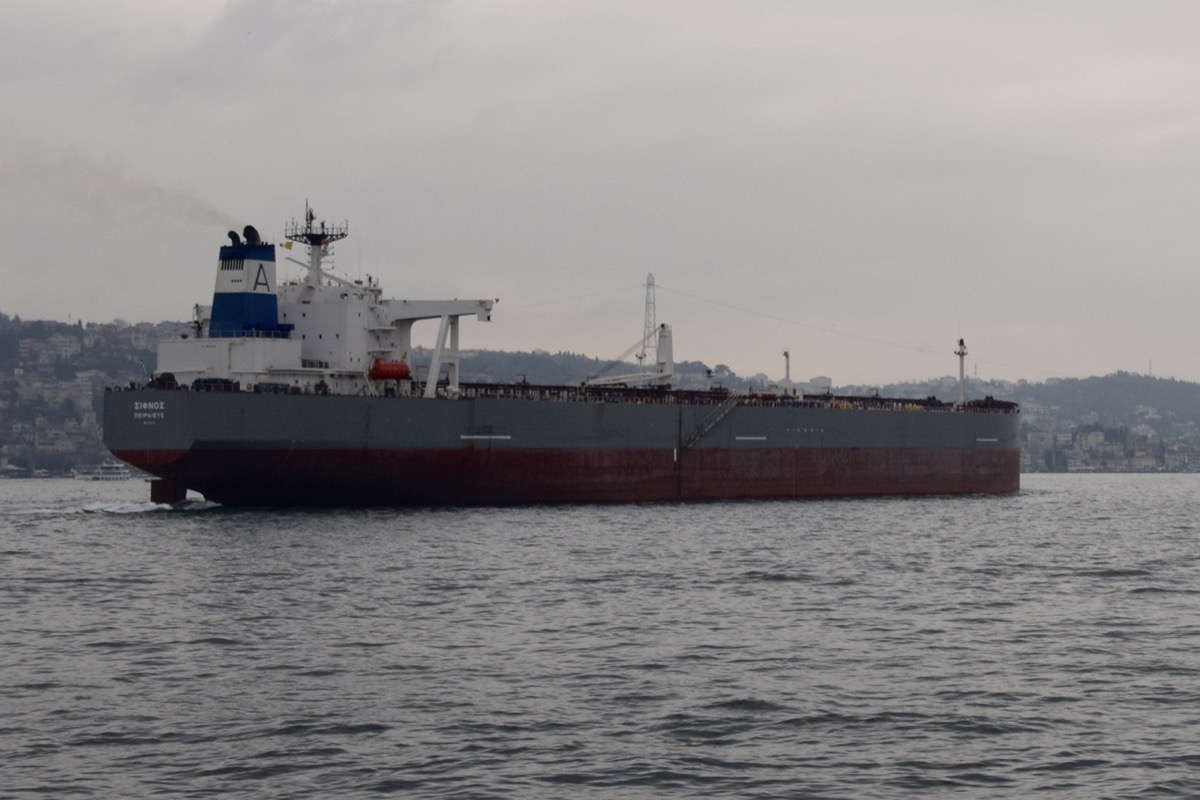
The 60-day licence window is already half a week old. Iran’s crude output, which hovered around 3.2 to 3.3 million barrels per day before the war and had fallen to roughly 2.3 million bpd by May 2026 as the conflict choked exports, is now theoretically available again. The Strait of Hormuz is reopening under the MOU terms. Iran has agreed to allow “safe passage of commercial vessels with no charge” for the 60-day period.
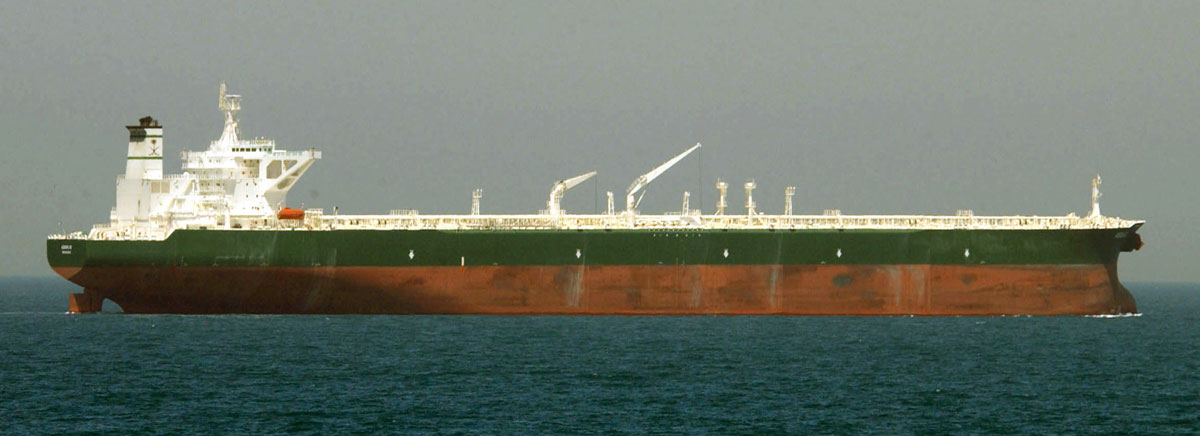
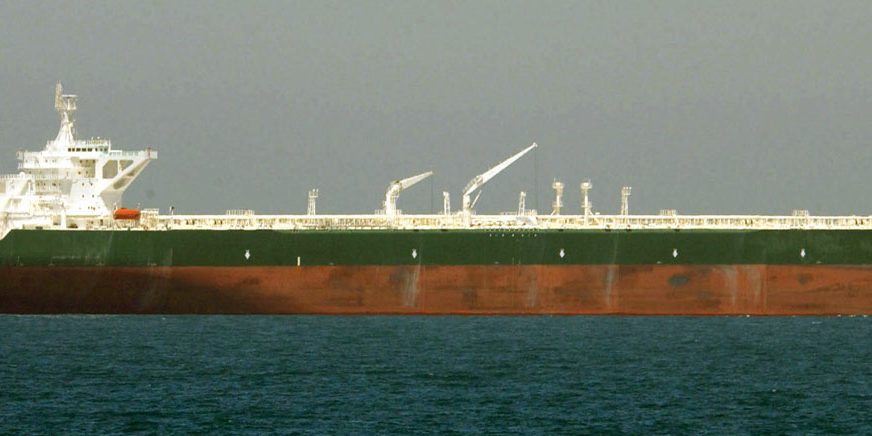
The question is who moves first. China is widely expected to be the primary buyer, and for good reason. Chinese refiners never fully stopped buying Iranian oil even during the height of sanctions, using a network of intermediary ships, renamed tankers, and informal payment channels to keep barrels flowing. GL X simply legitimises what was already happening in the shadows. Indian refiners, while more cautious, have historically been significant buyers of Iranian crude and are likely to re-engage once banking channels are fully unblocked.
Turkey is another obvious candidate. Turkish ports and refineries have served as intermediaries for Iranian oil for years, and the country’s geopolitical positioning allows it to navigate both Western and Iranian commercial interests with relatively little friction.
What this leaves is a clear division: Asian and Turkish buyers gain a legal, dollar-denominated pathway to Iranian oil for the next two months, while European majors watch from the sidelines. The IEA’s June Oil Market Report estimated that global supply fell to 94.5 million bpd in May, down 13.6 million bpd from pre-conflict levels. Every barrel that Iran can push back into the market helps close that gap. European companies, which contributed significantly to the trading bonanza during the war’s price spikes, are now structurally excluded from the supply-side recovery.
The trading bonanza and its paradox
The irony is hard to miss. During the war, Reuters reported that BP, Shell, and TotalEnergies collectively made at least $2.5 billion in the first quarter of 2026 from oil trading alone, capitalising on the extreme volatility that the Hormuz closure created. When the ceasefire was announced on April 8, shares of TotalEnergies, Shell, BP, Eni, and Repsol fell between 4.6 and 7.7 percent as oil prices dropped.
Now the supply they helped trade at crisis premiums is flowing again, and they can’t touch it. Their American competitors are free to participate under GL X. So are the Chinese national oil companies that European energy executives have long warned are displacing them from upstream projects across the developing world. The licence even authorises US-dollar-denominated payments for Iranian oil, removing one of the biggest practical obstacles that had kept even non-US buyers cautious about engaging with Tehran.
What would it take for Europe to follow?
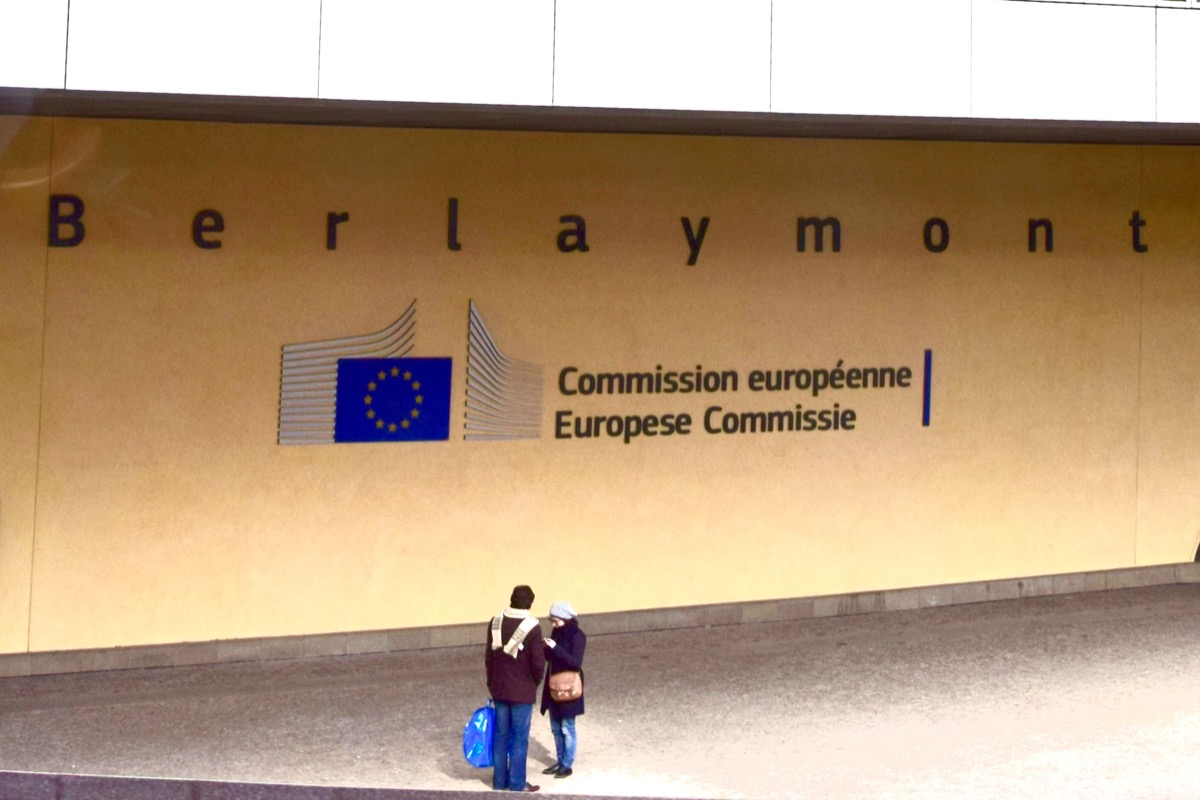
Lifting EU sanctions on Iranian oil is not a simple administrative act. It requires a regulation amending or repealing Regulation 267/1975, which in turn requires agreement among all 27 member states through the Council of the European Union. The European Parliament has a consultative role. The process involves drafting, legal review, translation into all EU languages, and formal adoption.
In practice, this takes weeks to months under normal circumstances, and these are not normal circumstances. Several EU member states have taken hawkish positions on Iran in recent years, particularly after the snapback decision in September 2025. Getting unanimity for a temporary, 60-day oil trade opening tied to a fragile US-Iran ceasefire that could collapse at any moment is a tall political order.
There is also the legal complication that EU sanctions on Iran are tied to UN Security Council Resolution 2231 and the JCPOA framework. The snapback mechanism, activated by the E3 (France, Germany, and the UK) in September 2025, reinstated UN-mandated sanctions. Even if the EU wanted to act independently, doing so while UN sanctions are formally in place would create a legal inconsistency that Brussels is unlikely to entertain lightly.
The strategic cost
For European energy security, the cost of this regulatory asymmetry is real. The IEA has warned that the global supply deficit from the Iran war could persist well into 2027. Iran sits on some of the world’s largest proven oil reserves and, before the conflict, was producing over 3 million barrels per day of crude plus 1.3 million bpd of condensate. Getting those volumes back into the market is in Europe’s interest, even if European companies are buying through intermediaries rather than lifting Iranian crude directly.
But the broader picture goes beyond a two-month licensing window.
If the Islamabad MOU leads to a comprehensive final deal, as contemplated in its paragraph 13, the United States has committed to developing a plan for “at least $300 billion” in reconstruction and economic development for Iran. That deal would include broader sanctions relief, licensing, and waivers. European companies that spent the war years building trading relationships, understanding market dynamics, and positioning themselves for a post-sanctions opening would have a head start.
Except they don’t have that head start, because EU law prevents them from setting foot on the playing field. While Chinese companies are loading Iranian crude today, TotalEnergies and Shell are still explaining to their shareholders why they cannot.
Looking ahead
The 60-day clock is ticking. If negotiations succeed and a broader settlement emerges, the EU will face a decision: move quickly to align its sanctions regime with whatever the US and UN agree, or watch from the sidelines as Asian and Middle Eastern buyers lock in long-term supply contracts with Iranian producers at favourable terms.
If negotiations fail, GL X expires on August 21 and Iranian oil goes dark again. The Strait of Hormuz could close once more. The supply crisis that the IEA called the worst in history returns. European industry, already reeling from surging gas prices, stagflation risks, and what ECB officials have described as potential recession in Germany and Italy, absorbs another shock.
Either way, the current situation illustrates a structural problem with EU sanctions policy as it relates to Iran. Europe has successfully locked itself out of one of the world’s most significant oil and gas producers through a sanctions regime that it cannot adjust quickly in response to diplomatic developments. As we noted in our analysis of the JCPOA snapback, Europe activated the snapback mechanism that reimposed these sanctions. Now it finds itself unable to benefit from the diplomatic openings that its own allies are pursuing.
This isn’t just a commercial inconvenience. It’s a strategic vulnerability. The companies that understand Iranian oil infrastructure, that have the technical capacity to invest in upstream projects, that can process Iranian crude in European refineries, are European. TotalEnergies was developing South Pars before sanctions chased it out. Eni was operating in the Darkhovin field. Shell had decades of experience trading Iranian barrels. None of that expertise matters if the law says they can’t use it.
General License X was supposed to be a first step toward normalising Iranian oil trade. For European companies, it’s a reminder of how far behind they’ve fallen. America has opened the door. Europe, as so often in its relationship with Iran, has locked its own companies inside.