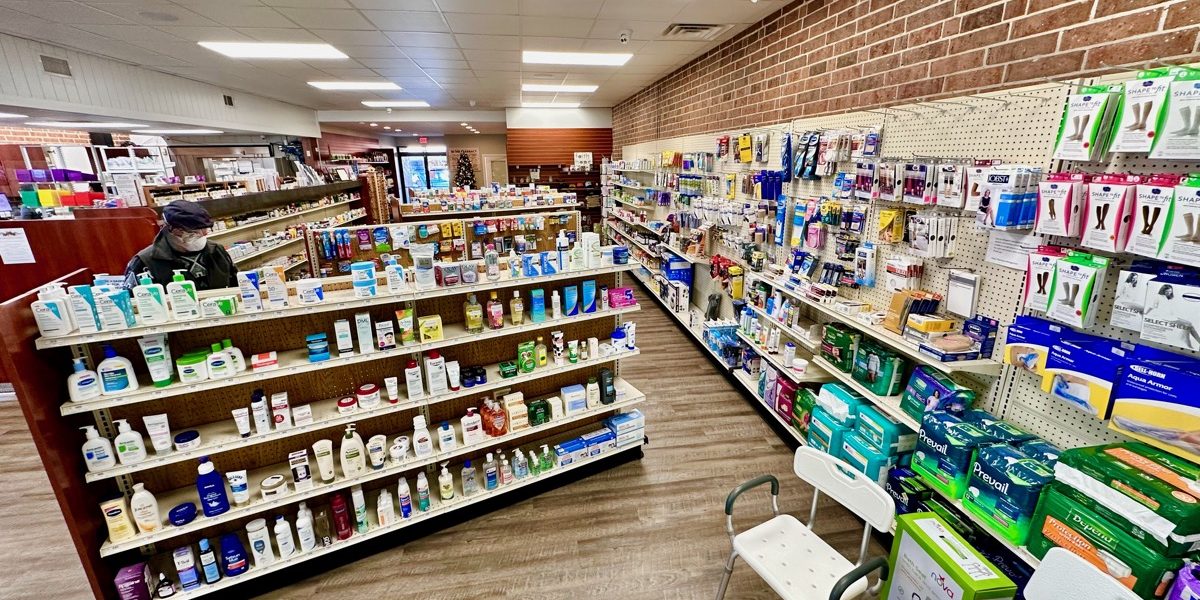
When Olivier Picard, a pharmacist in Berkshire, tried to order paracetamol on 27 March, his wholesaler had none. A few days later, when it finally appeared, the price had doubled. A pack of 100 paracetamol tablets that cost him 41 pence in February was suddenly £1.99.
Paracetamol. The most basic painkiller on earth. The one drug every European household keeps in a drawer somewhere, barely thinking about it until a headache hits.
That was eight weeks into the Iran war, and Picard’s experience was far from unique. Community pharmacies across England were charging 20 to 30 per cent more for common over-the-counter medicines by late April. Aspirin and co-codamol disappeared from some shelves entirely. Hay fever sufferers faced price jumps of up to 30 per cent on cetirizine, just as allergy season was getting underway.
The connection between a military conflict in the Middle East and the price of a 32-pack of paracetamol in Berkshire is not obvious. It runs through naphtha, air freight corridors, and a single narrow waterway that most Europeans have never heard of.
The petrochemical pipeline you never knew existed
Modern medicine is, to a surprising degree, a petroleum product.
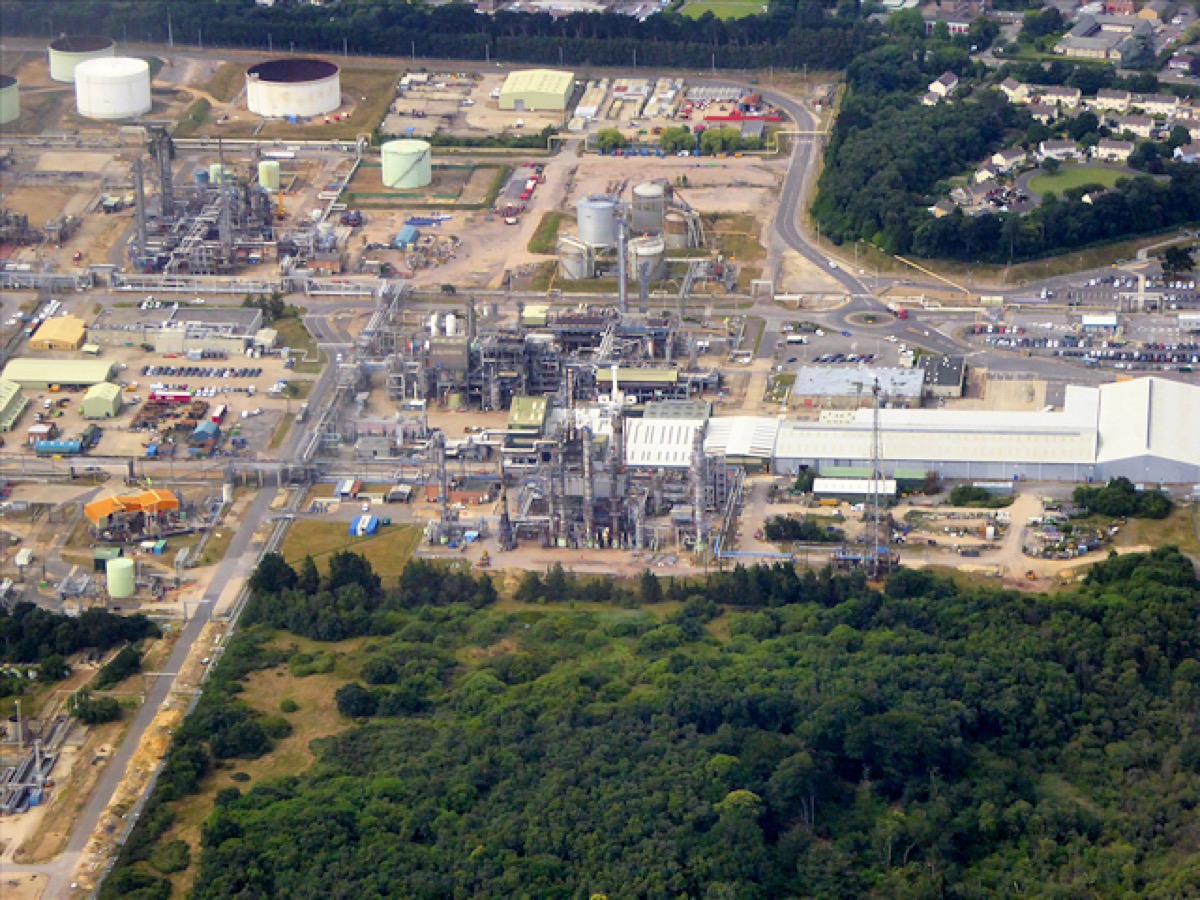
Naphtha, a liquid derived from crude oil during refining, is the feedstock for a vast range of petrochemicals. Those petrochemicals become the plastic in IV bags, the latex in surgical gloves, the polypropylene in syringes, and the gelatin coatings on tablets. The active ingredients in many common drugs, including paracetamol, are synthesised from chemical precursors that trace their origins back to oil refineries.
The Strait of Hormuz, the 21-mile passage between Iran and Oman that handles roughly a fifth of the world’s oil supply, is also a critical artery for these chemical feedstocks. Since Iran blocked it in late February, the flow of petrochemicals from the Gulf to Asian manufacturing hubs has been severely disrupted.
The knock-on effects are global. India, the world’s largest producer of generic drugs, depends on Gulf-sourced chemical inputs. When those inputs become scarce or expensive, the cost of manufacturing drugs goes up. When manufacturing costs go up, the price at the pharmacy counter follows, even if the pharmacy is in Reading or Rotterdam.
In India, chemists have reported paracetamol price increases of 96 per cent. In South Korea, the cost of syringes, gloves, and IV supplies has risen 20 per cent, prompting hospitals to hoard stock. In Japan, doctors and patients are watching medical plastic reserves dwindle with growing alarm.
When the air corridor breaks down
It is not just what medicines are made from that matters. It is how they get from where they are made to where they are needed.
Roughly 35 per cent of all pharmaceuticals by volume move by air. For critical and life-saving drugs, including cancer treatments and vaccines, that figure rises to 90 per cent. Wouter Dewulf, a professor of pharma logistics at the University of Antwerp, estimates that 22 per cent of global air cargo flows are exposed to disruptions in the Middle East.
Dubai and Doha sit at the centre of the east-west pharmaceutical air corridor. Drugs manufactured in India are flown through these Gulf hubs before continuing to Europe. It is a route built around speed and reliability: many pharmaceuticals require an unbroken cold chain, and air freight is the only way to guarantee that.
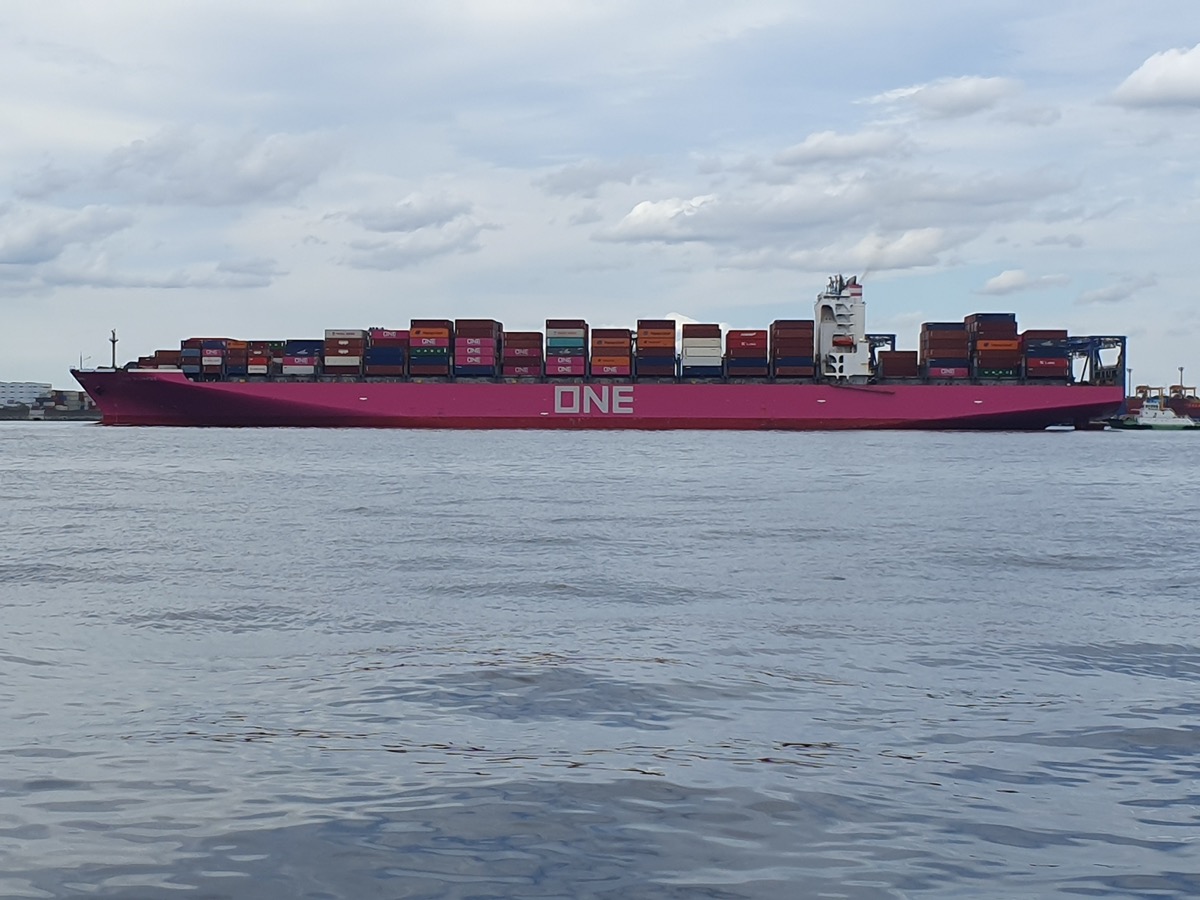
The Iran war has shattered that reliability. Airspace closures across the region have forced rerouting, adding hours to flights and hundreds of euros to each shipment. Jet fuel shortages, which have already grounded thousands of European flights, have compounded the problem. Air freight costs have doubled since the conflict began.
The NHS, Britain’s largest single healthcare buyer, sources one in five of its medicines by air. NHS Supply Chain, the central procurement body, manages more than 620,000 products, from latex gloves to prosthetic hips. Its annual equipment bill runs to £8 billion; its medicines bill reached £21.6 billion in 2024-25. Even modest percentage increases on those figures translate into hundreds of millions in additional costs.
Mark Samuels, chief executive of Medicines UK, which represents manufacturers supplying 85 per cent of NHS prescriptions, put it plainly: “Transportation costs have risen by several hundred per cent, and some chemicals needed for manufacturing are in very short supply. If the conflict continues, we will inevitably see rising prices or shortages of essential medicines.”
The thin margins of generic medicine
The pain is not evenly distributed. Branded pharmaceuticals, sold by the likes of Novartis, Roche, and AstraZeneca, operate on high margins and have the financial muscle to absorb shipping cost increases, at least for a while. Generic drug manufacturers, who produce the off-patent medicines that make up the bulk of prescriptions, have no such cushion.
Generics are the backbone of European healthcare. In the UK, they account for roughly 80 per cent of all prescriptions dispensed. Their manufacturers compete on price, and those prices are already set at levels that allow very little room for error. When the cost of raw materials jumps or shipping fees triple, the math stops working.
Some generic manufacturers have simply started increasing prices. Others have quietly reduced production. A few have stopped making certain products altogether. Laura Bray, founder of the US nonprofit Angels for Change, warned that the financial strain could push some generic manufacturers to abandon low-margin medicines entirely.
The effect is visible in the UK’s medicine price concessions list, a government mechanism that allows pharmacies to be reimbursed above the standard rate when a drug’s market price spikes. In March 2026, 230 items appeared on the list, a record. That included blood pressure drugs, antidepressants, and painkillers like codeine and co-codamol. A year earlier, the figure was 90.
Paracetamol, prescribed 1.3 million times a month in England, is not on that concessions list. The government reimburses pharmacies just 49 pence for dispensing a 32-pack. When the wholesale cost exceeds that, pharmacies dispense at a loss. Since 2020, 1,400 community pharmacies in England have closed. They continue to shut at a rate of one or two per week.
Europe’s buffers are not infinite
The European Union has been here before. The COVID-19 pandemic exposed the fragility of medical supply chains, and Brussels responded with a “solidarity mechanism” that includes pharmaceutical stockpiling. Individual member states now maintain reserves of between two and ten months’ worth of critical medicines.
Those buffers are being drawn down. Frederic Schneider, a senior fellow at the Middle East Council on Global Affairs, noted that the EU’s stockpiling strategy buys time but does not eliminate the underlying vulnerability. “The problem is more acute for Global South countries, and sub-Saharan Africa in particular, that have fewer or no stockpiles and not enough financial heft to afford the price increases,” he said.
NHS England’s chief executive, Jim Mackey, has said the health service is “very worried” and may need additional government funding if the conflict drives a “huge shock” in medicine prices. NHS Supply Chain has increased its buffer stocks where possible and is pressuring suppliers for continuity plans. But as Richard Sullivan, a professor of cancer and global health at King’s College London, pointed out, the supply chains for many cancer drugs are thin even in normal times: “When you look at the supply chains, for most of the cancer drugs they’re very thin, they only have one or two suppliers.”
The question is not whether Europe will feel the impact. It already has. The question is how deep it goes, and how long it lasts. Sustained disruption could lead to glove shortages by late May, according to analysts. If the Strait of Hormuz remains closed through the summer, the cumulative effect on both pharmaceutical manufacturing costs and logistics will be substantial.
The Iran angle that nobody talks about
There is an irony at the heart of this crisis that gets almost no attention.
Iran has a pharmaceutical industry that, before the sanctions era, was one of the most developed in the Middle East. By 2019, Iranian companies were producing 80 to 90 per cent of their raw pharmaceutical materials domestically. The country manufactures drugs for cancer, diabetes, infections, and a wide range of other conditions. It has 18,000 pharmacies and a domestic production capacity that has been hardened by years of sanctions pressure.
That industry is now being hit from two directions simultaneously. The war has disrupted both maritime and air transport routes, delaying imports of the remaining 10 to 20 per cent of pharmaceutical inputs that Iran still relies on. And the sanctions regime, while technically exempting medicine, has made the financial mechanics of purchasing those imports nearly impossible. Banks refuse to process payments. Transactions fail or languish for weeks. According to Iran’s Pharmacists Association, 25 pharmaceutical units and companies have been directly or indirectly targeted, including the Tofigh Daru company and the Pasteur Institute.
Iran is not the cause of Europe’s medicine price problem. The root causes are logistical: blocked shipping routes, disrupted air corridors, and surging petrochemical feedstock costs. But the sanctions regime that isolates Iran’s pharmaceutical sector is part of the same architecture of economic separation that has left Europe’s supply chains dangerously dependent on a single chokepoint.
In a world where the EU used to trade €27 billion a year with Iran and where European pharmaceutical companies once had a significant presence in the Iranian market, the current situation is a reminder that disengagement carries costs that go well beyond the obvious ones. The JCPOA snapback did not just lock European energy companies out of Iranian gas fields. It locked out an entire ecosystem of economic cooperation that included pharmaceutical supply chains, medical technology transfer, and joint research.
What happens next
For now, the shelves in most European pharmacies remain stocked, if more expensive. The full brunt of the disruption has not yet arrived. Stockpiles built up over years of pandemic-era anxiety are still being drawn down. But those reserves are finite, and the war that is draining them shows no sign of ending.
German Chancellor Friedrich Merz floated the idea of easing sanctions as part of a comprehensive peace deal at the EU summit in Cyprus on 24 April, but other leaders, including European Commission President Ursula von der Leyen, pushed back. By 27 April, Merz was describing Iran’s negotiating posture as “humiliating” to the United States. The diplomatic trajectory, in other words, is not pointing toward rapid de-escalation.
In the meantime, the price of naphtha continues to climb. Air freight corridors through the Gulf remain unreliable. Generic drug manufacturers operating on razor-thin margins are absorbing costs they cannot sustain indefinitely. And a community pharmacist in Berkshire is paying more than twice what he paid two months ago for a box of paracetamol.
The connection between a blocked waterway and a bathroom cabinet is not one that most people will ever make. But it is real, it is measurable, and it is showing up on receipts at pharmacies across Europe.